Peace Research and Reflexive Solutions (PRAXIS) is a research group based at Hiroshima University with members dedicated to academically rigorous and policy-relevant research on various aspects of peacebuilding.
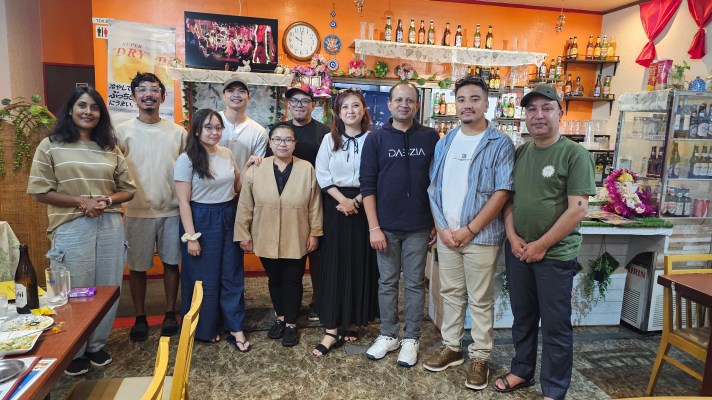
Graduation Celebration (Sep 2026) 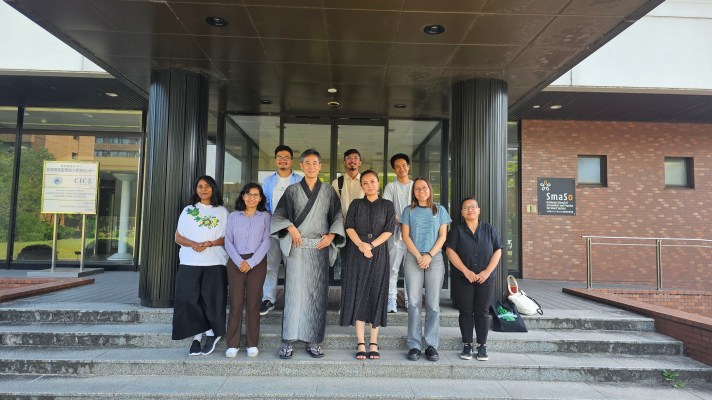
Workshop with Prof. Yuji Uesugi of Waseda University on operationalizing peace research in Okinawa (Jul 2026) 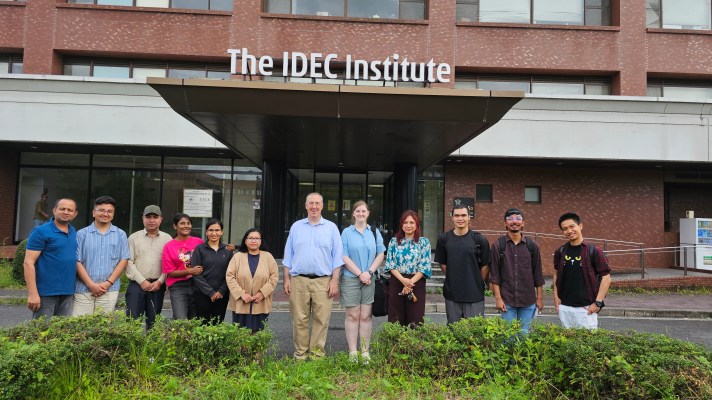
Discussion with Dr. Carl Bruch of Environmental Law Institute about environmental peacebuilding (Jul 2026) 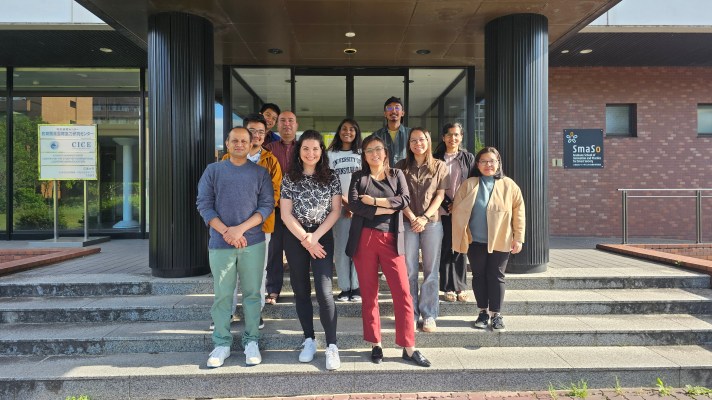
Seminar on Building an Academic Identity after the PhD with Dr. Giada Lagana of Cardiff University (May 2026) 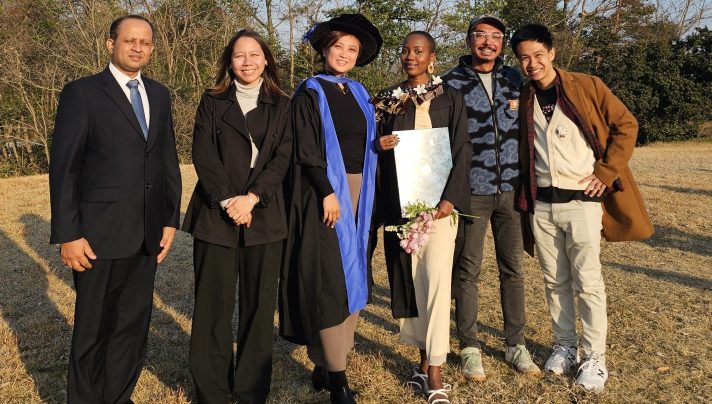
March 2026 Graduation 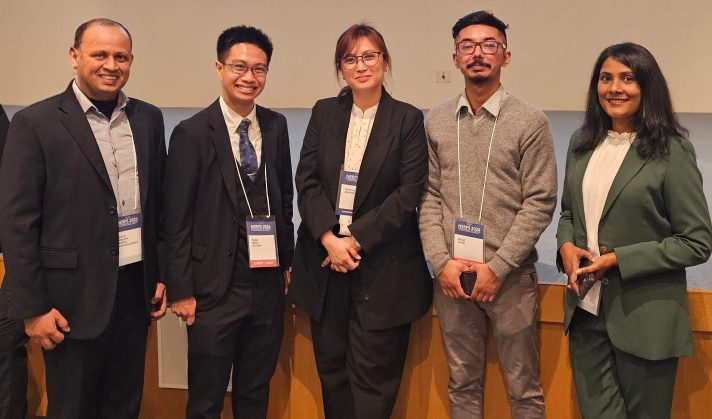
NERPS 2026 Conference in Tokyo 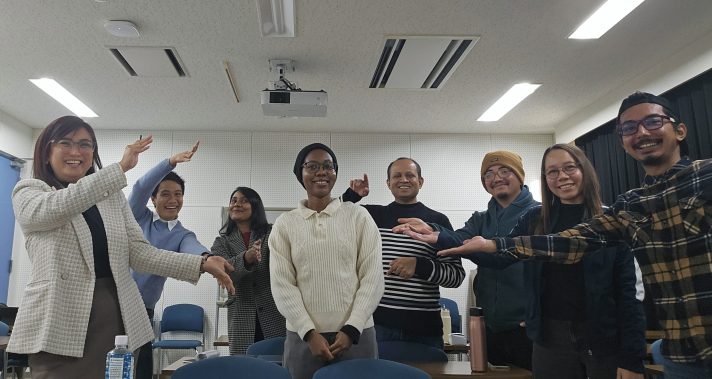
Final Seminar of AY 2025 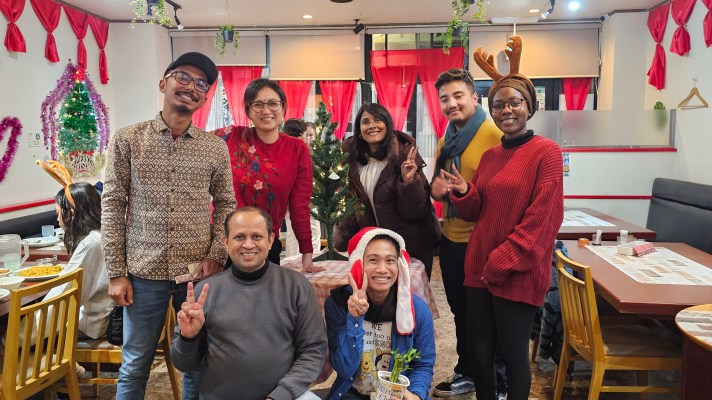
Year-end Celebration/Christmas Party 2025 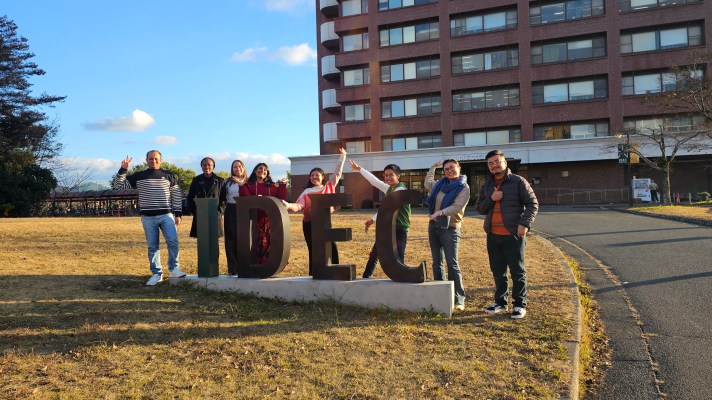
Last Zemi Day for 2025 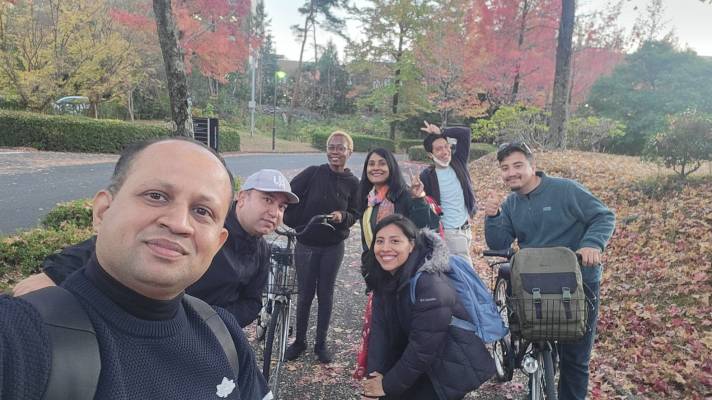
Welcoming Semester 2 of 2025 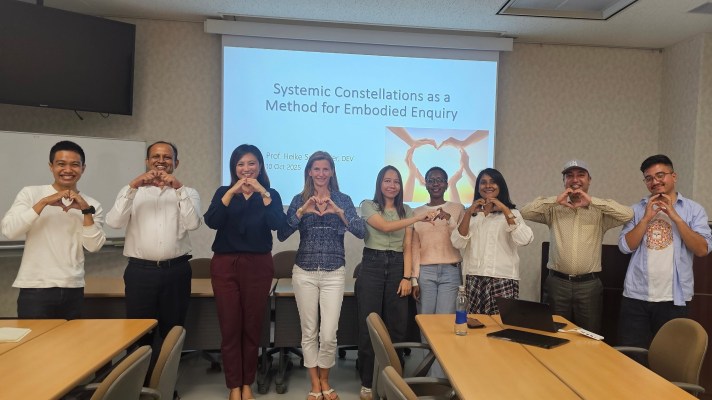
Seminar on Systemic Constellations with Prof. Heike Schroeder of the University of East Anglia (Oct 2025) 
Seminar with Dr Michael Magcamit of the University of Manchester on the Ethics of Fieldwork (Jul 2025) 
Seminar with Dr Somya Joshi of the Stockholm Environment Institute on the Ethical Use of AI for Research (Jul 2025) 
July 2025 Birthday Celebration 
Seminar with Dr. Arbenita Sopaj of the Embassy of the Republic of Kosovo in Tokyo about studying and working in Japan (Jul 2025) 
NERPS Conference in Manila 2025 (with DLSU Vice President Anthony Chiu) 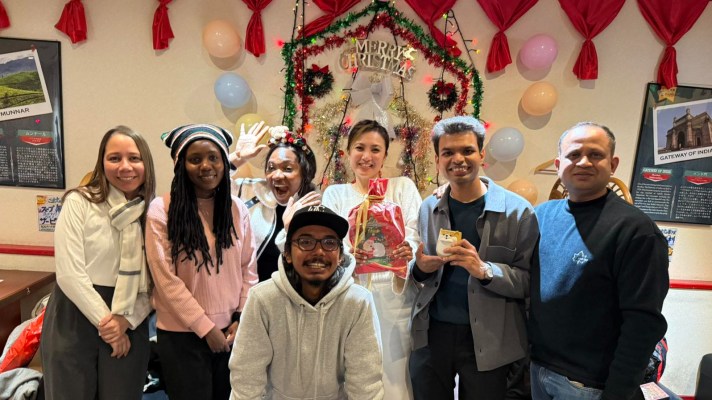
Christmas Party 2024 
Seminar with Dr. Hassan Virji, NERPS Advisor, about research funding and career after academia (Nov 2024) 
Welcome Picnic at Kagamiyama Park (Oct 2024) 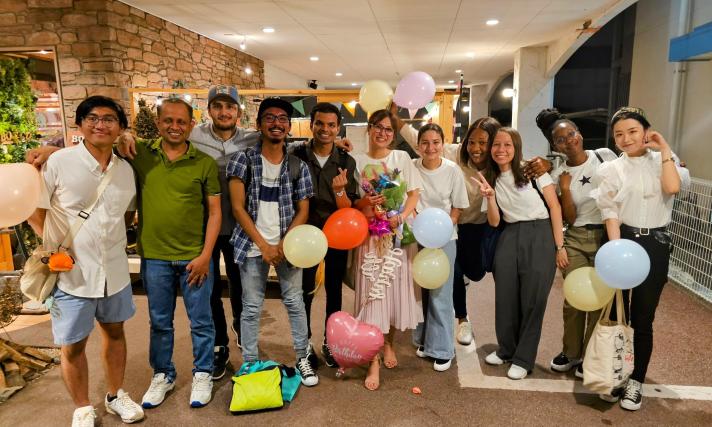
Birthday Celebration (Jul 2024) 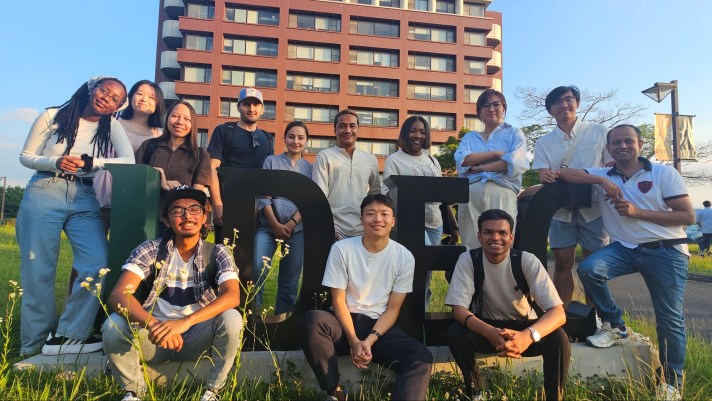
With seminar guests, Dr Michael Magcamit of the University of Manchester and Yohan Kim of the University of Leicester (Jul 2024) 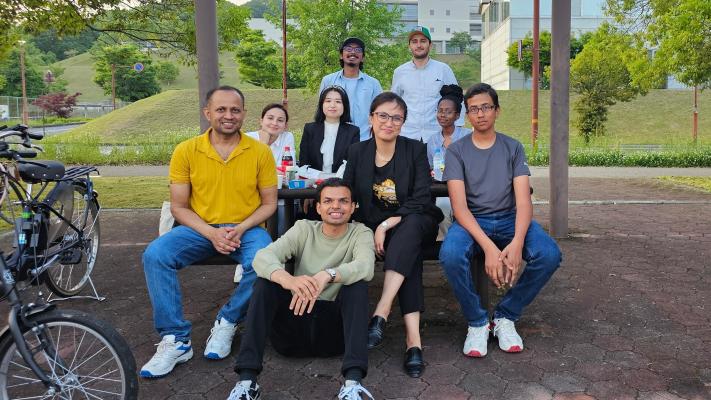
Post mid-term presentation celebration at Science Park (May 2024) 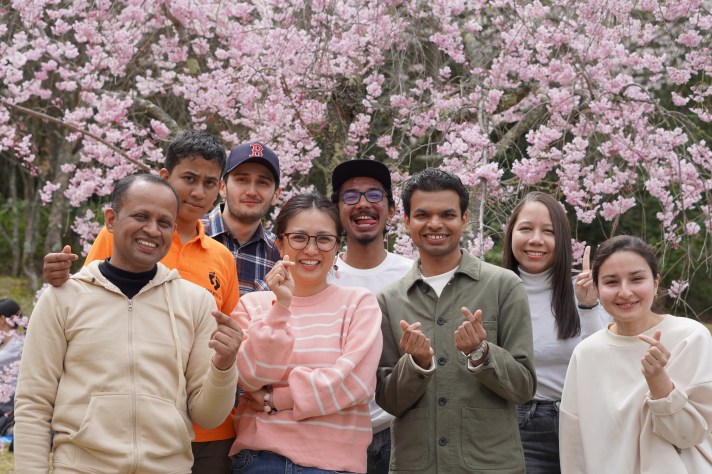
Spring 2024 Hanami at Kagamiyama Park 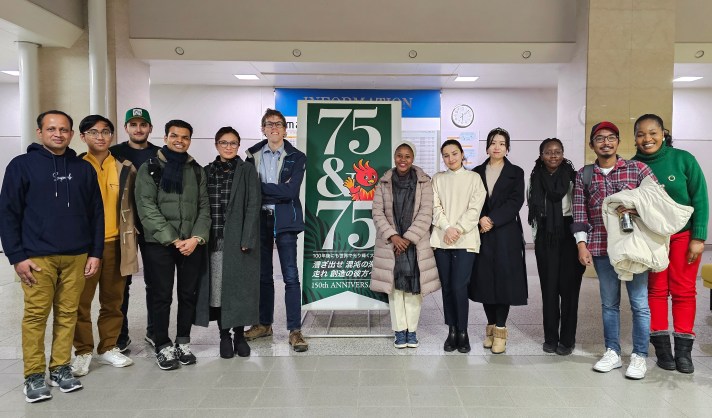
Final seminar for AY2023 with guests, Dr Leticia dos Muchangos of Tokyo University and Dr Tobias Ide of Murdoch University (Feb 2024) 
Seminar with Dr Ali Kharrazi of IIASA about effective PowerPoint presentations (Dec 2023) 
Seminar on Fieldwork with Dr Joshua Fisher of Columbia University (Nov 2023) 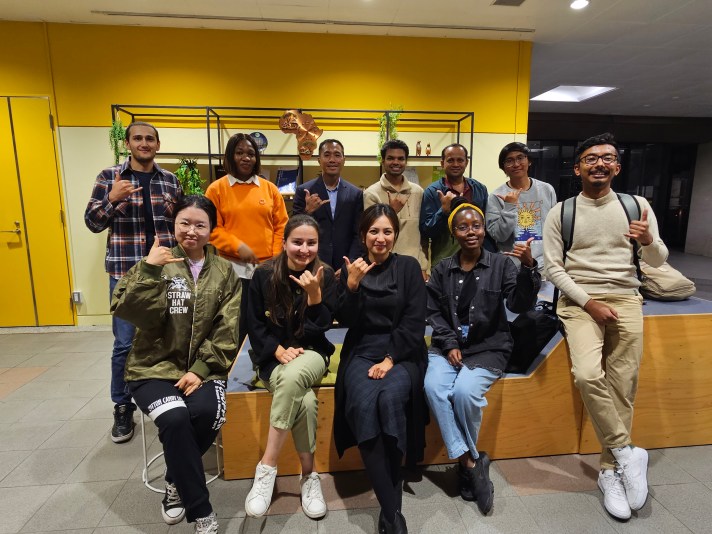
Seminar on Policy-relevant Research with guest lecturer, Mark Manantan of Pacific Forum (Nov 2023) 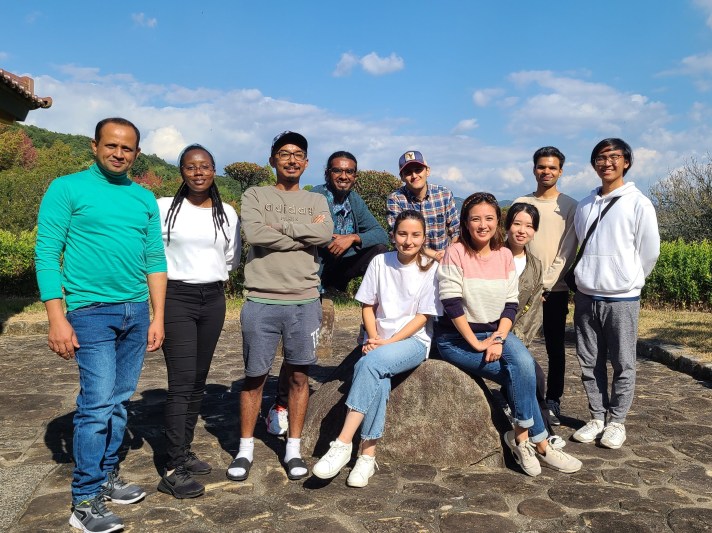
Welcoming Autumn at Kagamiyama Park (Oct 2023) 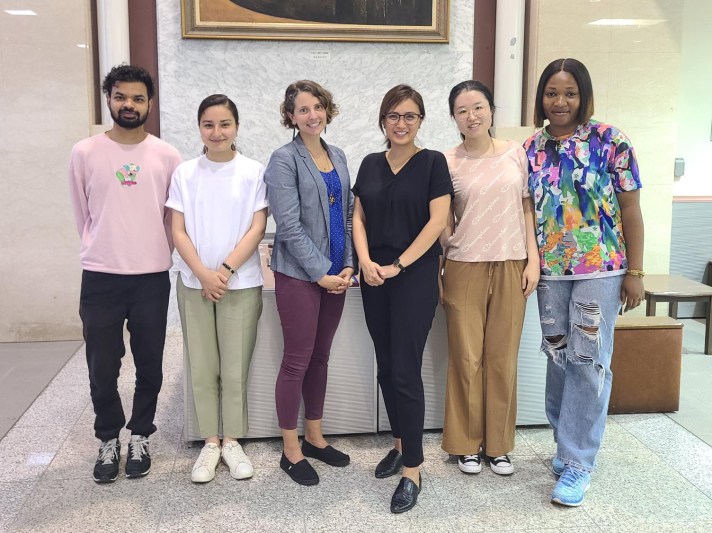
Seminar on Writing Habits with guest lecturer, Dr Katherine Alfredo of University of South Florida (Jun 2023)
I welcome expressions of interest from students who wish to pursue their PhD and Masters research at Hiroshima University on topics related to International Relations theories, post-conflict peacebuilding, and the peace/conflict-environment nexus. Expressions of interest will be entertained if they include a CV and a one-page research proposal containing the research question/s, research relevance, and methodology. For international applicants, please submit your application through the International Admissions Office (IAO) using this link.
For more information about the application procedure at the International Peace and Co-existence Program of the Graduate School of Humanities and Social Sciences, click here for the Master’s program and here for the PhD program. Visit the Hiroshima University International Admissions Assistant System for support in your applications. Please visit this page for scholarship information provided by Hiroshima University.
Other references for scholarships for international students in Japan:
– Scholarships for international students (MEXT)
– Japan Grant Aid for Human Resource Development (JDS)
Current Students
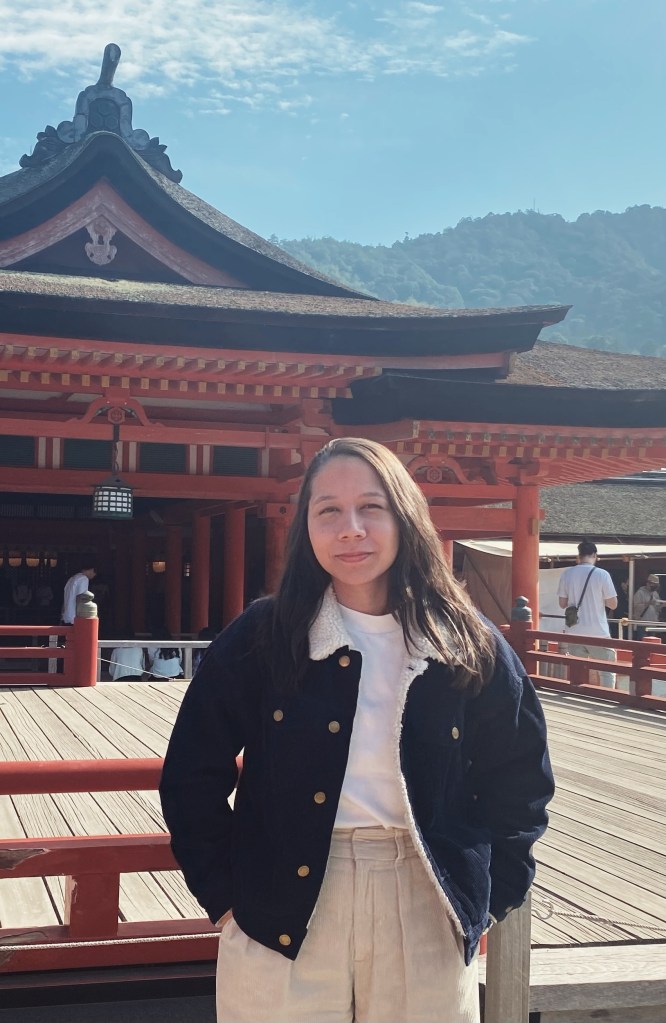
Julia Nishio (Brazil)
PhD Student (Apr 2024-), International Peace and Co-existence Program, Graduate School of Humanities and Social Sciences
Research topic: Contributions of Brazil and Japan in multilateral forums in crafting security policies
Hobbies: swimming; cinema; podcast; photography
Quote of peace: “A human being has the right to live with dignity, equality and safety. There can be no security without true peace, and peace must be built on the firm foundation of human rights. The maintenance of peace and security is inextricably linked to the equality of rights between men and women.” – Sergio Vieira de Mello
“The opportunity to pursue my Ph.D. at Hiroshima University resonates deeply with both my personal aspirations and professional goals. My academic journey commenced with a bachelor’s degree in International Relations, followed by a master’s degree in International Security and Defense from the Brazilian War College. This educational path, which included enriching exchanges in Peru and Mexico, underscores my unwavering dedication to comprehending and addressing contemporary global challenges.
Currently, as a scholarship holder for Japanese descendants, I am dedicated to exploring new pathways for peacebuilding while seeking to reconnect with my own cultural identity. The prospect of residing and studying in Hiroshima carries profound significance for me, offering a unique possibility to explore the historical significance of this place as a symbol of reconciliation and peace promotion. After completing my Ph.D., I aspire to collaborate with organizations or agencies dedicated to addressing emerging threats and fostering peace.”
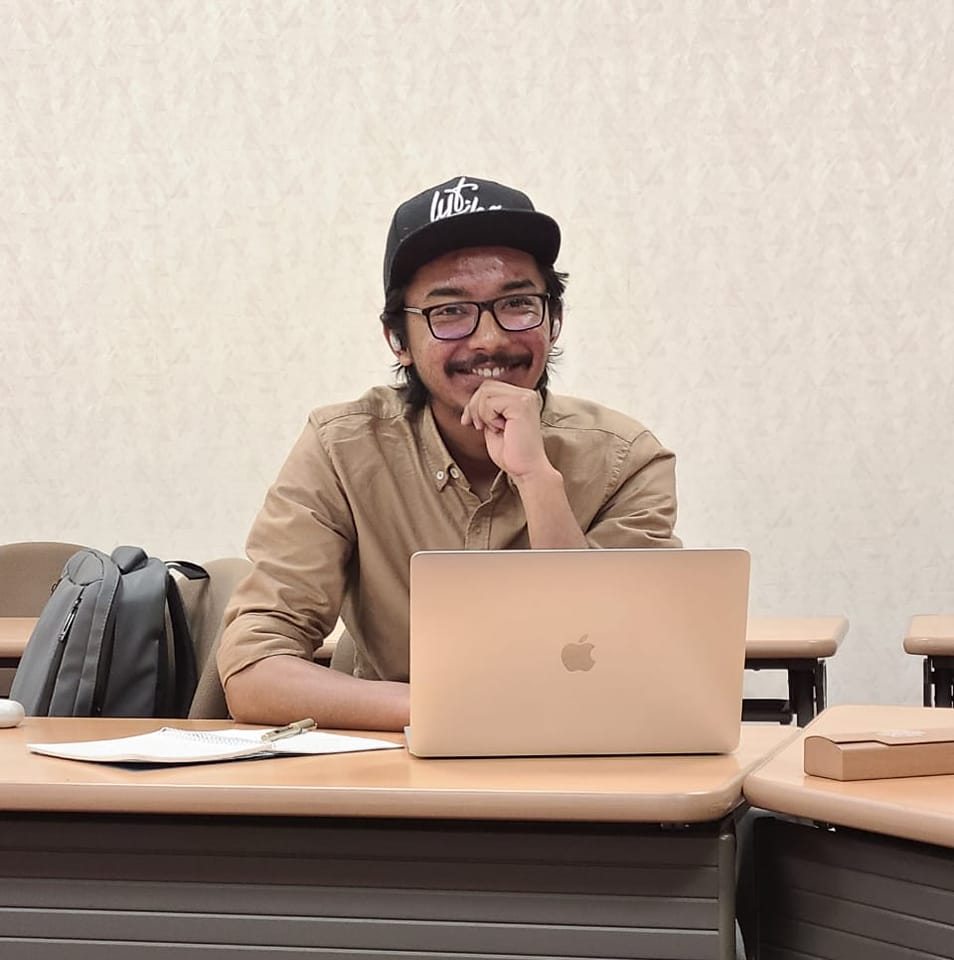
Riyaz Karki (Nepal)
PhD Student (Oct 2024-), International Peace and Co-existence Program, Graduate School of Humanities and Social Sciences
Research topic: Gender-responsive disaster risk reduction in Nepal: towards environmental peacebuilding
Hobbies: football; guitar; research; beer
Quote of peace:
“After earning my Bachelor’s degree in Social Work, I pursued graduate studies in the same field, with a focus on Community Development, at Bangalore University, India. With several years of experience working in the development sector in Nepal, particularly with children and women, I discovered a growing passion for research. This led to my role as Lead Field Researcher for Peace Perspectives, where I had the opportunity to collaborate with NERPS at Hiroshima University, further solidifying my interest in academic research.
During my time as a research student at Hiroshima University, I had the opportunity to refine and deepen my research interests and abilities. This experience strengthened my decision to pursue a PhD in the International Peace and Co-existence Program, as it strongly aligns with my academic goals. The program offers the perfect environment for exploring interdisciplinary topics with the guidance of excellent supervisor, further enhancing my ability to contribute to meaningful research in peace and sustainability.
As the MEXT scholarship recipient, I am aware of the close ties that exist between Japan and Nepal and aim to incorporate best practices from Japan’s disaster management system into Nepal’s setting. I also intend to teach and conduct academic research to further our understanding of disaster contexts.”

Akash Pandey (Nepal)
Master’s Student (Apr 2025-), International Peace and Co-existence Program, Graduate School of Humanities and Social Sciences
Research topic: Indigenous Approaches to Environmental Peacebuilding: The Case of Parma in Nepal
Hobbies: research; travelling (on my motorbike); hiking; trekking; volunteering; sports
Quote of peace: “It seems always impossible until it is done.” – Nelson Mandela
“Upon completing my first master’s degree in Conflict, Peace, and Development Studies from Tribhuvan University, Nepal, I spent some time reflecting on whether to continue my studies or pursue a professional career. This period of reflection helped me realize that I was much more interested in academia and wanted to further my academic engagement in the peace and conflict discipline. Therefore, I explored relevant courses offered in Japan and other countries and identified Hiroshima University as an ideal institution to pursue my research interests. As a MEXT scholarship recipient at Hiroshima, I am currently researching the nexus between Nepal’s indigenous practices and Environmental Peacebuilding. Environmental Peacebuilding, especially in Global South countries like Nepal, has received minimal scholarly attention, and the local turn in EP scholarship remains underexplored. By undertaking this study, I aim to inform peacebuilding scholarships by advancing localized dimensions of Environmental Peacebuilding. Aside from this, I am also interested in post-conflict peacebuilding, ex-combatants, transitional justice, critical anthropology, and labor migration, with a focus on interdisciplinary approaches. I use qualitative methods to amplify the marginalized voices and inform policy and practice.”
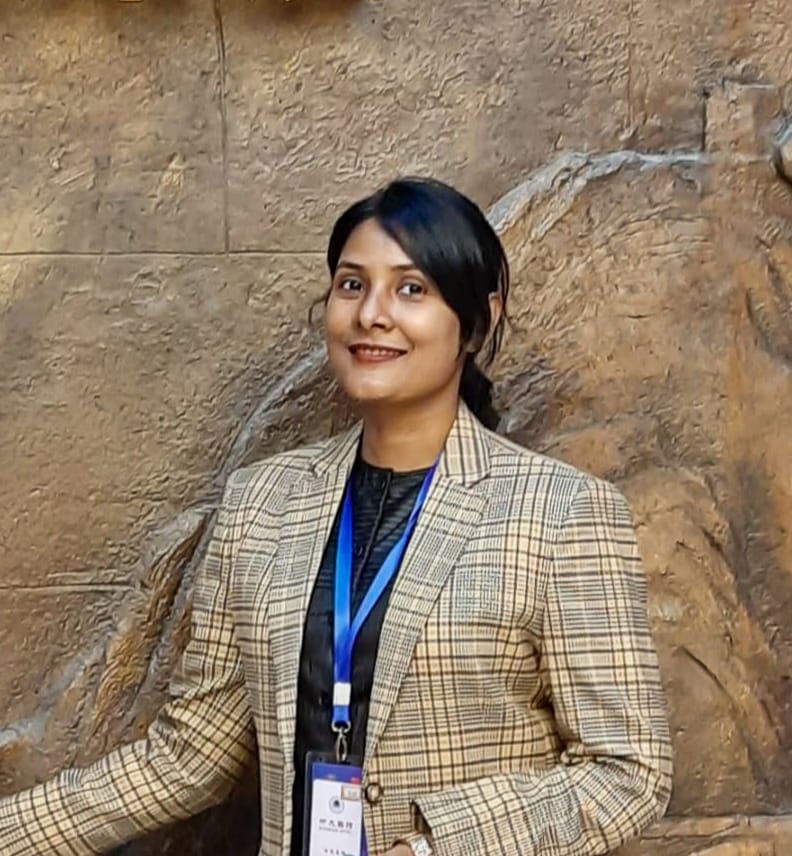
Spina Rani Pk (Bangladesh)
Master’s Student (Oct 2025-), Social Innovation Science, Graduate School of Innovation and Practice for Smart Society
Research topic: Enhancing the Services for Women and Children of Victim Support Centre (VSC) through Tech-Driven Integrated Management System: VSC, Chattogram Perspective
Hobbies: exploring cultures and communities through travel; writing
Quote of peace: Peace begins in the heart, spreads to the world.
“After completing my undergraduate and master’s degrees in Biotechnology and Genetic Engineering, I joined the Bangladesh Civil Service as an Assistant Superintendent of Police (ASP). During my training, I completed a second master’s in Police Science. In my career with the Bangladesh Police, I have served in diverse roles— from operational field duties and forensic laboratory work to policy formulation and direct engagement at the Victim Support Centre (VSC). These experiences have made me aware of the urgent need for technology-driven solutions to enhance service delivery for women and children who are victims of violence. My proposed research seeks to bridge this gap by developing a digital, integrated platform that strengthens case tracking, inter-agency coordination, and survivor support within VSCs. As a JDS Scholarship recipient at Hiroshima University, I aspire to contribute to sustainable peace by preventing crime and improving the criminal justice system through innovation and data-driven approaches.”
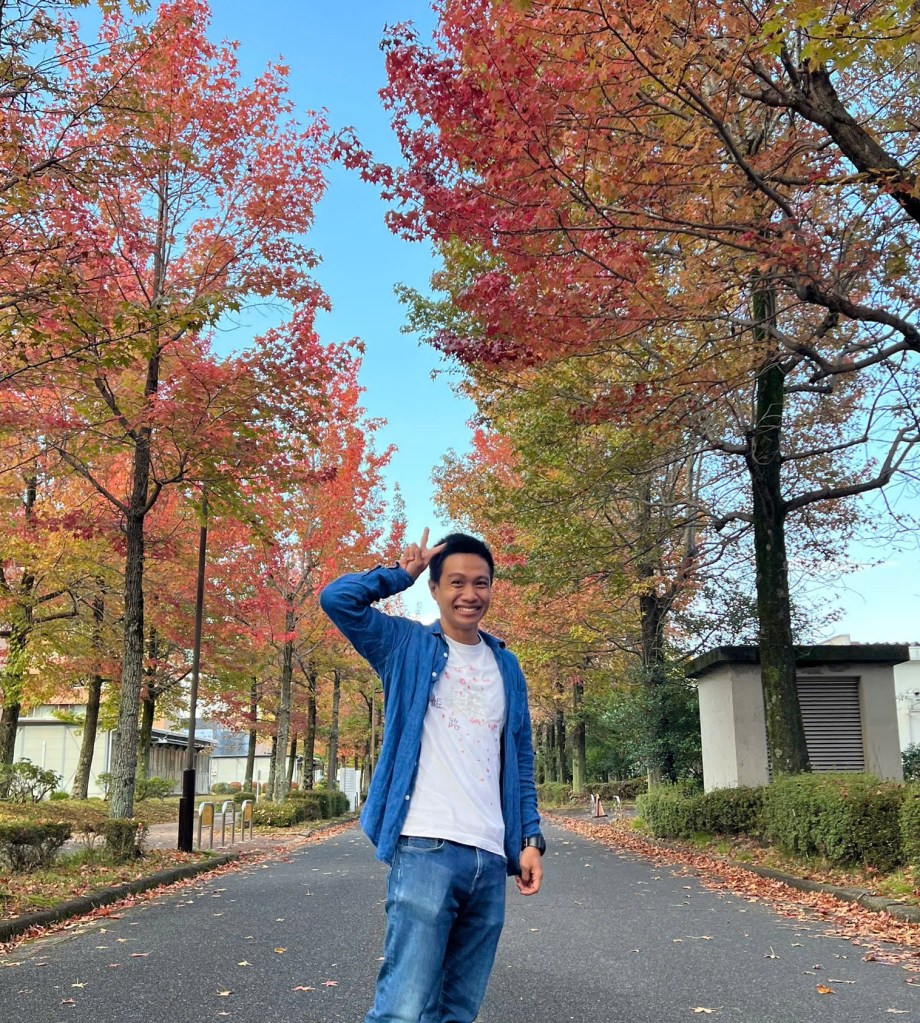
Tran Ngoc Vu Anh (Vietnam)
PhD Student (Oct 2025-), International Peace and Co-existence Program, Graduate School of Humanities and Social Sciences
Research topic: Between national and ecological security in the Anthropocene: A multi-level perspective on Vietnam’s energy transition under the Japan-Viet Nam Comprehensive Strategic Partnership
Hobbies: reading theories; listening to scholars’ podcasts; e-sports (DOTA and CS); drinking; discussing life with friends
Quote of peace: “Peace is preferable to war. But it is not an absolute value, and so we always ask, “What kind of peace?” – Noam Chomsky
“After completing my Bachelor’s degree in Japanese Studies, I spent a year working in the tourism and event management industry before joining the Vietnam People’s Army to fulfil my two-year military service. My time in service deepened my interest in political dynamics and causes of conflicts and motivated me to pursue a Master’s degree in International Relations at the International University of Japan as an ADB-JSP scholar. Upon returning to Vietnam and working as a research assistant for the Radical Resilience project in Ho Chi Minh City’s climate transformation processes, I realized my passion for research and teaching, as well as my belief in the untapped potential of International Relations for integrative, cross-disciplinary inquiry. The International Peace and Co-existence Program at Hiroshima University, with its strong emphasis on bridging disciplinary boundaries to promote peace and sustainability, offers the ideal environment to pursue these aspirations and continue my academic journey. As an HU-SPRING scholar, I aim to study the dynamics of co-innovation and international cooperation to overcome socio-technical-economic barriers and accelerate towards sustainable transitions, as well as effectively addressing the urgency of the ecological crisis.”
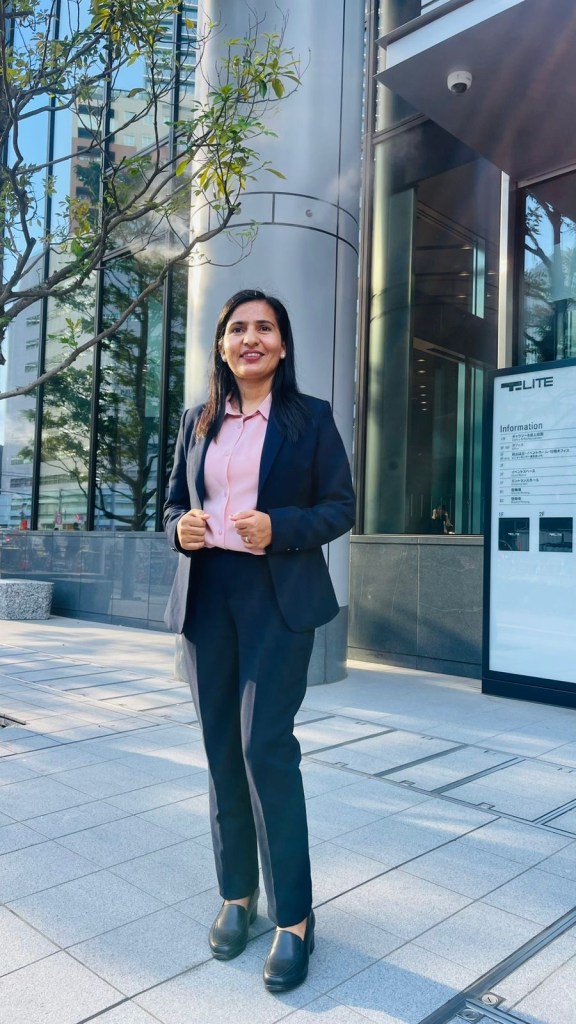
Nanda Paudel Regmi (Nepal)
Master’s Student (Oct 2025-), International Peace and Co-existence Program, Graduate School of Humanities and Social Sciences
Research topic: Cross-Border Trade and Community Resilience: Peace and Conflict Dynamics at the India-Nepal Border
Hobbies: Hiking, visiting mountains and forests, reading philosophical literature
Quote of peace: In my opinion, peace is not a universal constant; it is a lived reality that takes a different shape for every individual based on their unique journey and experiences.
“I am a government officer and bureaucrat from Nepal. My career has been defined by public service across various dimensions of governance. Over the years, I have gained diverse experience serving as a Section Officer in the District Administration Office, the Ministry of Tourism, and most recently, the Ministry of Industry, Commerce, and Supplies. These roles provided me with a ground-level understanding of how administrative policies directly impact community stability and regional development.
Holding a Bachelor of Management and a previous Master’s degree in Peace and Conflict Studies, I have always been driven to understand the management and social frameworks that sustain harmony. My transition to the International Peace and Co-existence Program at Hiroshima University is fueled by a desire to explore the nexus between cross-border trade and peacebuilding. Specifically, my research focuses on how trade dynamics shape community resilience and contribute to long-term stability in border regions.
I believe that peace is not a one-size-fits-all concept: it is unique experiences and perspectives that are defined by every person. Through my studies at Hiroshima University, I aim to integrate my practical experience in the civil service with academic rigour to contribute to more inclusive and resilient peacebuilding strategies in Nepal and beyond.”
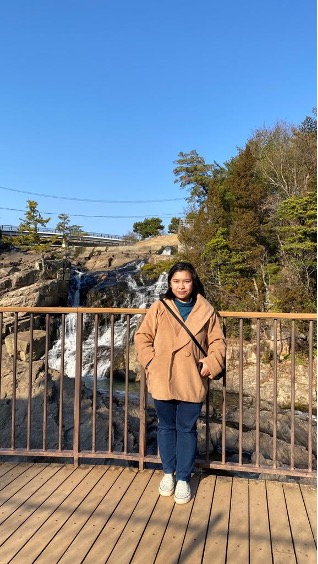
Dita Pelawi (Indonesia)
PhD Student (Apr 2026-), International Peace and Co-existence Program, Graduate School of Humanities and Social Sciences
Research topic: Environmental peacebuilding and governance: bridging local practices and policy in Indonesia
Hobbies: Community engagement; traveling; badminton; karaoke; movies
Quote of peace: If it is possible, as far as it depends on you, live at peace with everyone.
“During my Master’s studies in International Education Development at Hiroshima University, I engaged with sustainability and peace-related issues, which shaped my academic interests and motivated me to pursue research in this field. Alongside my studies, I was involved in work related to the internationalization of higher education, collaborating with academic institutions and partners across different global contexts. These experiences provided me with diverse perspectives on global cooperation, education, and development.
My academic interests lie in environmental governance and environmental peacebuilding, particularly in understanding how local community practices can contribute to sustainable peace. Through my doctoral studies at Hiroshima University, I aim to deepen interdisciplinary research that connects environmental issues with social cohesion and policy development. At the same time, I am committed to contributing to the development of peace studies in Indonesia, where the field remains relatively underexplored and holds strong potential for both academic and practical impact.”

Rasheed Earl Dizon Nono (Philippines)
PhD Student (Oct 2026-), International Peace and Co-existence Program, Graduate School of Humanities and Social Sciences
Research topic: Local Peacebuilding and Digital Populism in Mindanao, Philippines
Hobbies: Running; drawing; poetry; anime
Quote of peace: “Far to the west, across the sea, there is a place called Vinland. It is warm and fertile, far from slavery and the fires of war.” – Makoto Yukimura
“The opportunity to pursue this Ph.D. is very sentimental for me, as someone from Mindanao. This enables me to know more about my fellow men on a deep and societal level. My undergraduate degree was in Development Studies, followed by a Master’s in Local Development from the University of Padova. I developed my love for studying peacebuilding during my exchange at Waseda University, where I studied a lot of contextual education on the history and current challenges of Mindanao, Southern Philippines.
Currently, as a Ministry of Education, Culture, Sports, Science and Technology (MEXT) scholar, I am excited to learn new ways of conducting dialogue, especially in polarized societies. Studying at one of the leading universities for Philippine peace studies is a privilege. I hope to bring back what I have learned to the homeland and put it to use to do some more good. This is most especially true considering the land’s conflicted history. After I complete this program, I aim to conduct further research on Mindanao’s growing populist sentiment. I will also look for ways to strengthen its emerging democratic institutions and identity.”
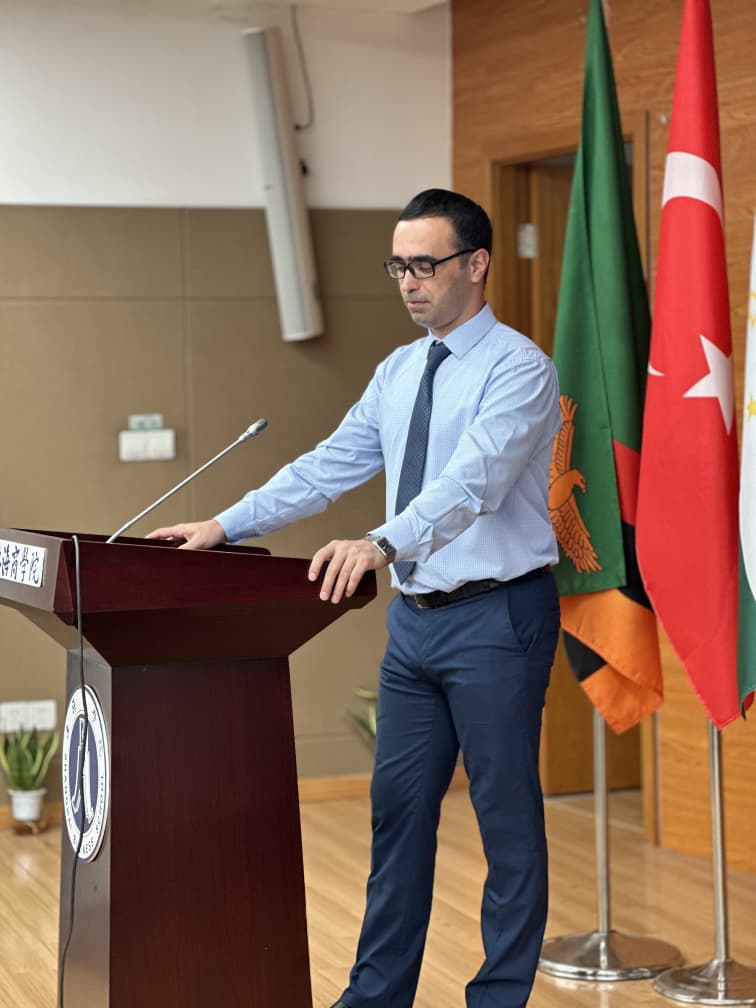
Ibrohim Ashuriyon (Tajikistan)
Master’s Student (Oct 2026-), International Peace and Co-existence Program, Graduate School of Humanities and Social Sciences
Research topic: Japan–Tajikistan Cooperation on Water and Climate Security: Opportunities for Environmental Peacebuilding and Sustainable Water Governance
Hobbies: Travelling; reading; cinema; exploring new cultures; spending time with family; sports
Quote of peace: “Intergovernmental water cooperation is the key not only for addressing water problems and issues of social and economic development, but also for ensuring peace, stability and security.” – Emomali Rahmon, President of the Republic of Tajikistan
“After completing my Bachelor’s degree in International Relations and a Master’s degree in Regional Studies, I began my professional career in public service in Tajikistan. For more than five years, I have worked at the Ministry of Economic Development and Trade, where my responsibilities have included protocol and media relations, public communication, transparency, and coordination with different government institutions. This experience has given me a practical understanding of how public policy, international cooperation, and diplomacy are connected in addressing national and global challenges.
My academic and professional interests have increasingly focused on the relationship between water, climate change, peace, and international cooperation. Tajikistan is highly dependent on its water resources and is particularly vulnerable to the impacts of climate change, including glacier melting. At the same time, the country has taken an active role in promoting international cooperation on water and climate issues. Through my research at Hiroshima University, I aim to examine how Japan and Tajikistan can strengthen their cooperation in these areas, including through diplomacy, development cooperation, technology, and sustainable water governance.
Studying at Hiroshima University is especially meaningful to me because of its unique connection to peace, reconciliation, and international cooperation. As a government professional from Tajikistan, I hope to combine my practical experience with academic knowledge and develop a deeper understanding of how environmental and development challenges can be addressed through peaceful international cooperation. After completing my studies, I hope to return to Tajikistan and apply the knowledge and experience gained in Japan to contribute to my country’s development, international cooperation, and water and climate policy.”
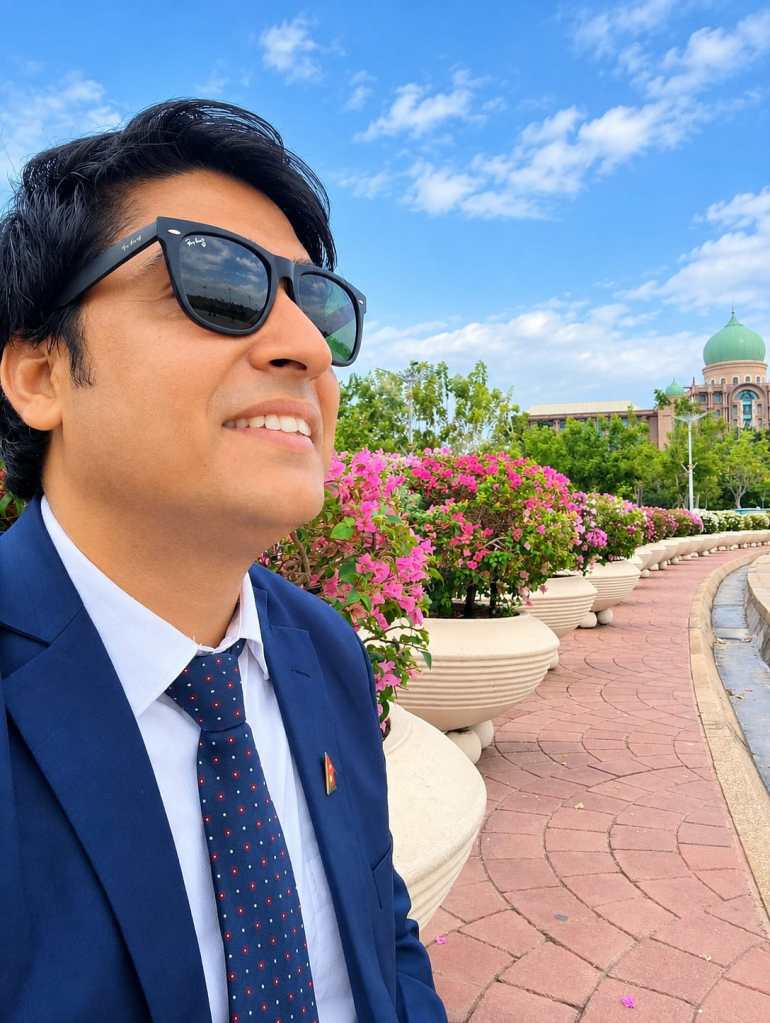
Bikash Kumar Mishra (Nepal)
Master’s Student (Oct 2026-), International Peace and Co-existence Program, Graduate School of Humanities and Social Sciences
Research topic: Groundwater Crisis and Environmental Peacebuilding in Nepal’s Madhesh Region: Exploring Cross-border Dimensions of Co-existence
Hobbies: Painting; singing; traveling; binge-watching movies!
Quote of peace: “Appo Deepo Bhava” (Be a light unto yourself) – Gautama Buddha
“After earning my Master’s and M.Phil. degrees in Environmental Sciences at Jawaharlal Nehru University in India, I began my professional career in public administration as a section officer with the Government of Nepal. Throughout my career, I have worked across public administration sectors, including local government, the anti-corruption commission, and several central ministries. I am currently assigned to the Ministry of Home Affairs. These roles have deepened my interest in the connections among environmental issues, governance, and public policy.
Growing up in Nepal’s Madhesh region, I observed the deteriorating groundwater crisis and its increasing impact on communities that rely heavily on groundwater. As I reflected more on this issue, I realized that viewing it solely through an environmental science lens was not enough to grasp its social implications. I saw the importance of integrating social science and peace perspectives to understand how water scarcity influences livelihoods, social dynamics, conflict, and coexistence. This insight has led me to focus on environmental peacebuilding.
As a recipient of the JDS Scholarship, I am thankful for the chance to pursue my master’s at Hiroshima University and to be part of the Praxis Research Lab under Professor Dahlia Simangan’s mentorship. Through my research, I aim to combine my background in environmental science and experience in public administration to explore community responses to water scarcity and how shared environmental challenges can foster cooperation and peaceful coexistence in the Madhesh region.”

